

Jonas is part of Lyz on Top of the World’s special segment—featuring stores with stories. The goal is for visitors, travelers, and passersby to see that these places have a heart and soul (and some of them have a rich history) and are more than just establishments with things to sell.
Almost every Filipino knows about pares—it’s a sweetened beef stew cooked with soy sauce, star anise, pepper, and paired with rice.
What most Filipinos might not know, however, is where pares began—its origin story and why it is even called pares.
Enter Jonas Restaurant
Jonas is a restaurant on the corner of Mayon and Malindag in Quezon City. Nearby, you can find the famous Welcome Rotonda landmark, the Dapitan shopping arcade (where you can find an assortment of home decor and craft items), and Banawe (a long street filled with some of the city’s most loved restaurants and eateries).
Jonas Restaurant is home to a delightful spread of savory dishes, baked goods, and, of course, pares. In fact, it is in this restaurant that the term was born—hearkening to the perfect pairing between the hearty, saucy dish and plain white rice.
It began in 1979, after newlywed owners Sam and Lucy Tiu lost their textile business to a fire. Armed with ₱6,000 and a dream, they turned to cooking dishes that would otherwise be found in fine-dining restaurants, offering them at prices more people could afford. It was their way of “bringing class to the masses.”
In their six-chair affair in a small rented place in Quezon City, Lolly cooked and washed dishes while her husband attended to the customers. At first, they only sold beef mami (noodle soup), siopao (steamed buns with meat filling), and roast chicken. But with more diners requesting a rice dish (we are in Asia, after all), Lolly decided to whip up her own version of fried rice together with the beef stew toppings from the mami and added soup for free. It became an instant hit with customers referring to it as “rice, beef stew, and soup”. To speed up service when taking orders, Lolly coined the word “pares”, which referred to the meal set.
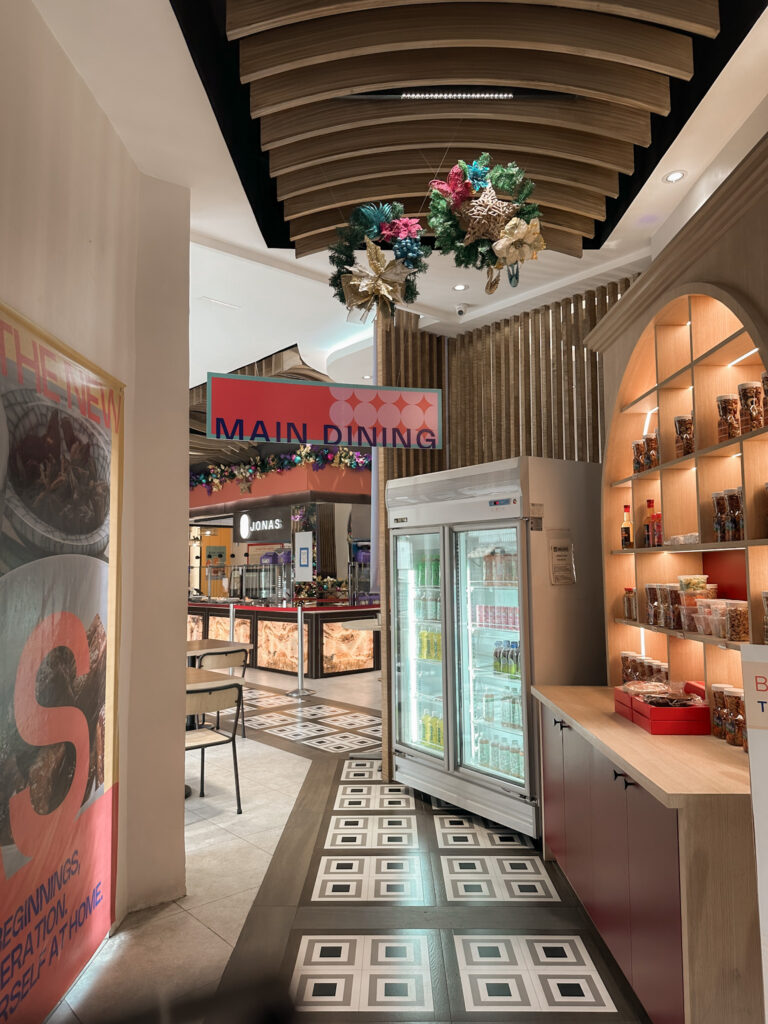
What makes Jonas’ pares different?
Pares has always been a dish I enjoy eating since I learned about it. I’ve tried it from different restaurants on several occasions, but the way Jonas serves it is my favorite way to have it. You can opt for just the lean meat or have it mixed with tendons (which is how I like it).
Jonas’ pares also comes from high-quality meat that is tenderized by boiling in low heat over a charcoal-fed fire for at least twelve hours. This is perhaps the secret to its smoky flavor and delicious taste.
Today, alongside the original pares, Jonas serves other dishes—from sweet and sour fish to chicken spring rolls and more. They still serve their siopao, and they have a bakery that sells other food, too. When you visit the restaurant, you’ll also find a paraphernalia shop where you can get notebooks, pens, and some of the prettiest home decor items. But the best one is their take-out section, which comes with ready-to-eat packs of pares—complete with rice, stew, and soup!—so you can just heat it in your home.


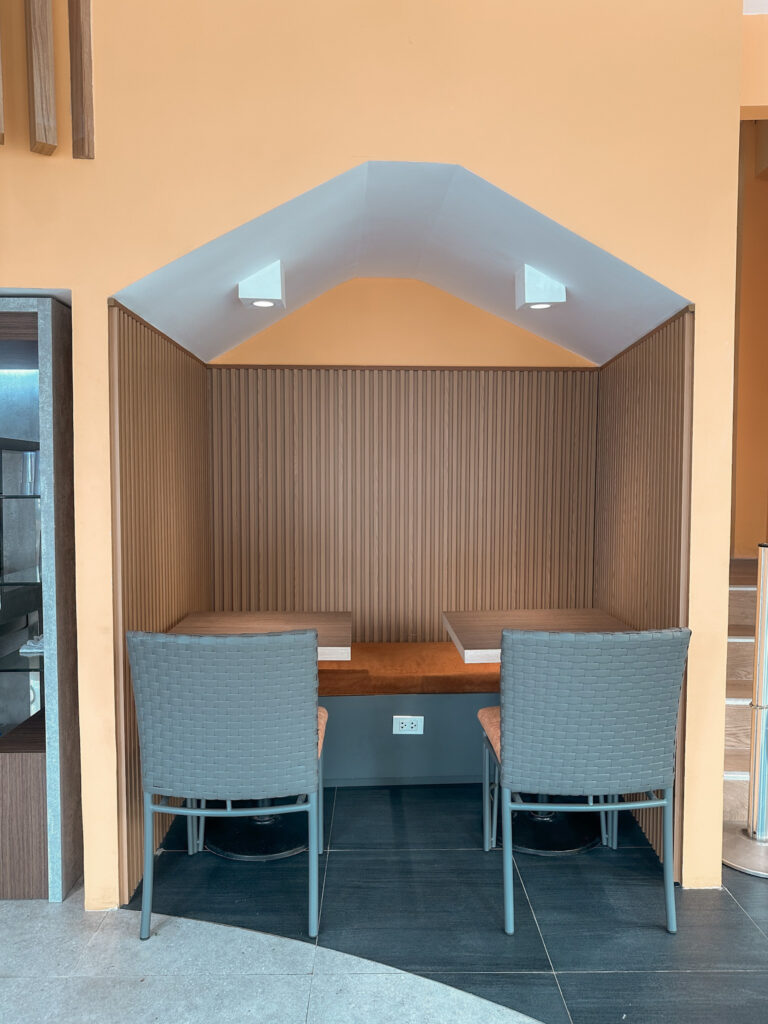
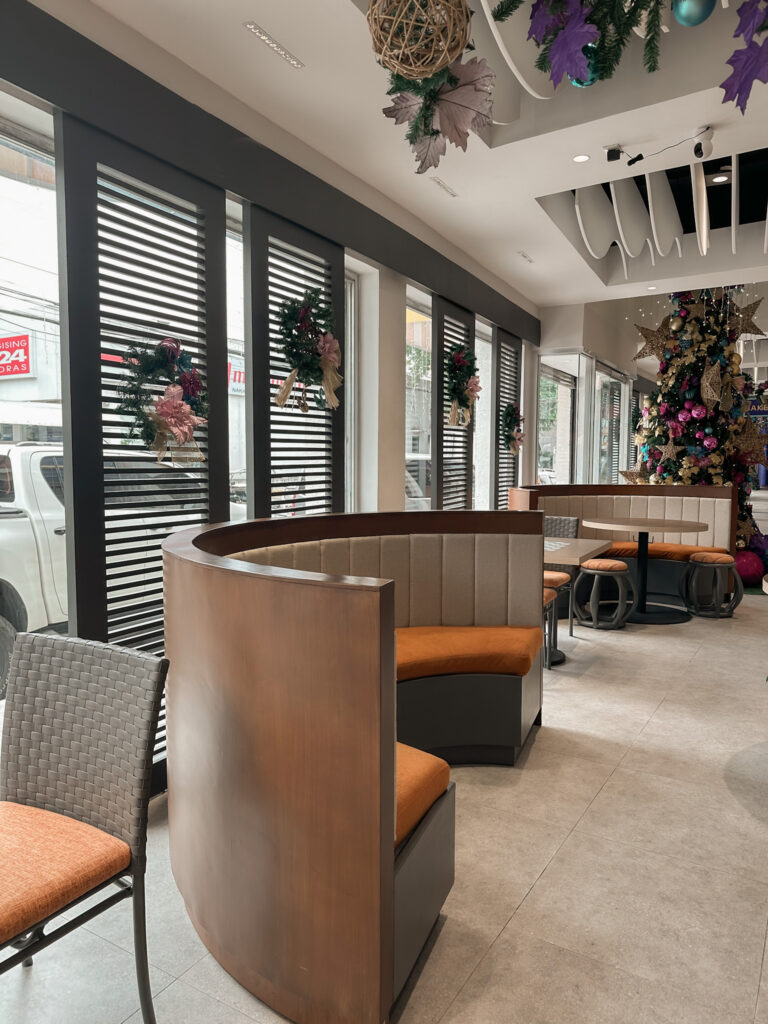
More than just a pares place
With the restaurant’s recent renovation, Jonas no longer looks like your dine-and-dash type of karinderya (eatery). It can now be a place for family gatherings, catching up with friends, or a quiet moment for journaling (dibs on that little nook) while sipping your fruit or milk tea. Walk past the bakery, take-out shop, and shelves stocked with items you want to take home, and you’ll find the restaurant at its very heart, with aromas tantalizing enough to make you want to order everything on the menu.

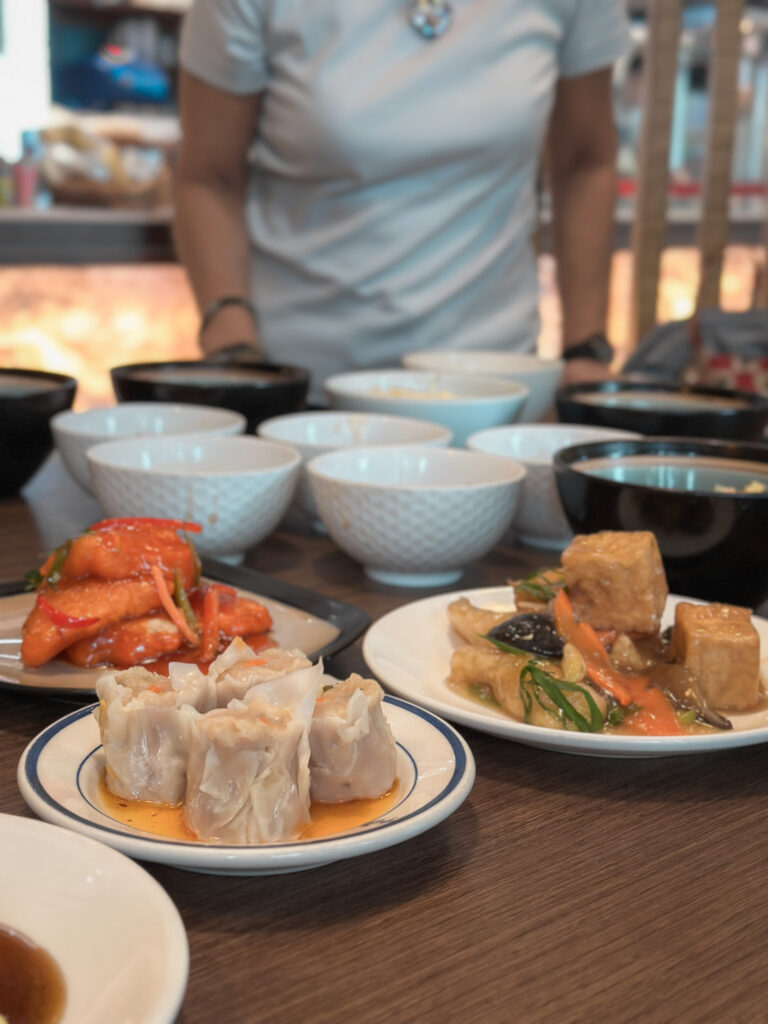
I recently learned that my uncle would often take his breakfast there with his uncle (my great-uncle). They would go early in the morning, together with taxi drivers and other blue-collar workers in search of a hearty meal before beginning the day’s work. My uncle and great-uncle would order a serving of pares each, together with a plate of siomai (meat dumplings).
We didn’t know that until we visited Jonas for the first time. Despite the new façade, the taste hasn’t changed, my uncle says. The quality—and the rich, flavorful taste of the pares—remains the same.

Where to find Jonas Facebook | Instagram | Google Maps
